
When it comes to creating a professional, comfortable, and productive meeting environment, your boardroom layout matters more than most people realise. From table size and chair spacing to room dimensions and presentation needs, every detail plays a role in how well your meetings run.
In this practical boardroom seating guide, we’ll walk you through how to plan an effective setup, choose the right table size, and design a boardroom style seating plan that works for your team… now and into the future.
Understanding Boardroom Style Seating
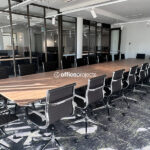
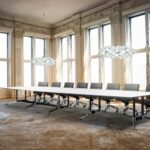
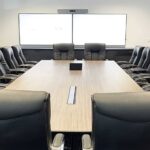
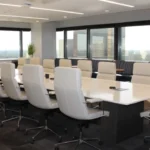
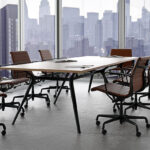
Boardroom style seating is traditionally arranged around a long rectangular or oval table, with chairs placed evenly along each side and at either end. This layout is popular because it encourages clear communication, supports presentations and discussions, creates a strong professional impression, and it works well for both formal and informal meetings.
A well-planned boardroom style seating arrangement allows everyone to feel included, while still maintaining structure and hierarchy when needed. Whether you’re hosting internal meetings, client presentations or executive briefings, this style remains one of the most versatile options for modern offices.
How Many People Can Your Boardroom Table Seat?
One of the most common questions we’re asked is: How many people will comfortably fit around this table? And while every space is different, a good rule of thumb is to allow 600-700mm of table edge per person (this gives enough room for laptops, notebooks, and comfortable movement).
Here’s a general guide:
Table Length | Approx. Seats |
1800mm | 6 people |
2400mm | 8 people |
3000mm | 10 people |
3600mm | 12 people |
4200mm+ | 14-16+ people |
It’s worth keeping in mind though that chairs at the ends of the table often require extra clearance, especially in narrower rooms. If you’re creating a detailed boardroom style seating plan, it’s also important to factor in walkways, doors, storage, and presentation equipment.
Matching Your Seating Plan to Your Room Size
A well-designed boardroom isn’t just about fitting in the biggest table possible. It’s about creating balance between seating, circulation space, and functionality.
Allow Enough Clearance
For comfortable movement, aim for:
- 1200mm minimum behind chairs for walkways
- 1500mm+ if people need to pass behind seated guests
- Extra space near doors and presentation areas
Without enough clearance, even the best furniture can feel cramped.
- Small Boardrooms (4-8 People): For compact meeting rooms, a slimmer table and lighter chairs help prevent the space from feeling crowded. In these settings, a carefully planned boardroom style seating layout can make a big difference.
- Medium Boardrooms (8-12 People): These spaces suit standard rectangular tables and full ergonomic seating. This is where most businesses benefit from a tailored boardroom seating guide to balance comfort with capacity.
- Large Boardrooms (12+ People): Larger rooms often benefit from custom tables, modular systems, and integrated power solutions. Sightlines, acoustics, and screen placement become especially important here.
Choosing the Right Chairs for Boardroom Comfort
Your seating plan doesn’t stop at the table – chairs play a major role in how long people can stay focused and engaged. Look for chairs that offer:
- Proper lumbar support
- Adjustable height and tilt
- Breathable or premium upholstery
- A professional appearance
For longer meetings, ergonomic executive chairs are usually worth the investment. For short, high-turnover sessions, visitor or conference chairs may be more suitable. Matching your chairs to your table height and room style helps create a cohesive, polished look.
Technology, Power, and Presentation Placement
Modern boardrooms need more than just tables and chairs. When planning your boardroom style seating plan, consider how people will connect and present. Here are the key factors to include:
- Power outlets or in-table power modules
- HDMI/USB-C access
- Screen or projector positioning
- Whiteboards or glassboards
- Acoustic panels for sound control
Your seating layout should allow every participant to clearly see screens and presenters without twisting or straining. Poor technology placement can undermine even the best seating arrangement.
Common Boardroom Seating Mistakes to Avoid
Even experienced businesses can fall into these traps:
- Choosing a table that’s too large for the room
- Squeezing in “just one more chair”
- Ignoring walkway clearance
- Overlooking future growth
- Forgetting power and data access
A professional boardroom seating guide helps prevent these issues before they become costly to fix.
Customising Your Boardroom for Your Business
No two workplaces are the same – your boardroom should reflect your company culture, meeting style, and long-term plans. Some businesses prefer formal executive layouts; others lean towards collaborative, flexible designs with modular furniture. Factors to consider include:
- Frequency of client meetings
- Team size and growth plans
- Hybrid meeting requirements
- Brand image and aesthetics
A tailored boardroom style seating solution ensures your space continues to work as your business evolves.
Here’s how Office Furniture Brisbane can help
At Office Furniture Brisbane, we work closely with businesses across Queensland to design boardrooms that are practical, comfortable, and built to last. From space planning and table selection to ergonomic seating and integrated technology, our team provides end-to-end support… not just furniture.
If you’re upgrading an existing room or fitting out a new space, we can help you:
- Develop a customised boardroom style seating plan
- Select the right table size and layout
- Choose durable, professional seating
- Maximise space and functionality
- Future-proof your meeting rooms
With decades of experience in commercial fit-outs and office furniture solutions, we’re here to make sure your boardroom works as hard as your business does. If you’d like expert advice tailored to your space, our team is always happy to help you plan the ideal boardroom setup.